
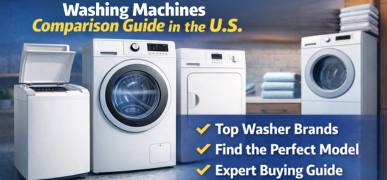
Washing Machines Comparison Guide in the U.S
Choosing the right washing machine in the United States is no longer a simple decision. With rapid advancements in smart technology, energy efficiency, fabric care, and capacity optimization, modern washing machines are engineered to meet highly specific household needs. We present the most comprehensive, data-rich, and comparison-focused washing machines guide designed to dominate search results for buyers researching the best washing machines in the U.S., top washer brands, and washing machine comparisons.
This guide delivers precision, clarity, and depth, empowering households to invest confidently in the most suitable washer for long-term performance, efficiency, and care.
Understanding the U.S. Washing Machine Market
The U.S. washing machine market is driven by:
-
High water and energy standards
-
Diverse household sizes
-
Varied fabric care needs
-
Rising demand for smart appliances
Modern washers are built to deliver maximum cleaning power with minimal resource consumption, while ensuring longevity and fabric protection.
Types of Washing Machines Available in the U.S.
Top-Load Washing Machines
Top-load washers remain popular due to their ease of use, shorter wash cycles, and lower upfront cost.
Key characteristics:
-
Faster wash times
-
No bending required
-
Ideal for frequent, heavy laundry loads
Front-Load Washing Machines
Front-load washers are widely recognized for superior cleaning efficiency, lower water usage, and gentler fabric handling.
Key characteristics:
-
High energy efficiency
-
Excellent stain removal
-
Stackable designs
High-Efficiency (HE) Washing Machines
HE washers optimize water and detergent usage while delivering powerful agitation.
Key characteristics:
-
Energy Star certified
-
Reduced operating costs
-
Environmentally responsible
Compact Washing Machines
Designed for apartments, condos, and small spaces, compact washers offer efficiency without sacrificing performance.
Key Factors to Consider When Comparing Washing Machines
1. Capacity and Drum Size
Selecting the correct capacity prevents overloading and improves wash performance.
| Household Size | Ideal Capacity |
|---|---|
| 1–2 People | 3.5–4.0 cu ft |
| 3–4 People | 4.5–5.0 cu ft |
| 5+ People | 5.2+ cu ft |
2. Energy Efficiency Ratings
Energy-efficient washers reduce long-term costs and environmental impact.
-
Energy Star Certified models use up to 25% less energy
-
Advanced models reduce water usage by 40%
3. Wash Programs and Customization
Modern washers include specialized cycles:
-
Quick wash
-
Delicate
-
Heavy-duty
-
Sanitize
-
Allergen removal
4. Spin Speed (RPM)
Higher RPM extracts more water, reducing drying time.
-
Standard: 1,000–1,200 RPM
-
Premium: 1,400–1,600 RPM
5. Noise and Vibration Control
Advanced vibration reduction ensures quiet operation, ideal for apartments and night-time washing.
Top Washing Machine Brands in the U.S.
LG
LG washers lead the market with AI-powered wash technology and superior efficiency.
Strengths:
-
Smart diagnostics
-
High RPM spin cycles
-
Excellent reliability
Samsung
Samsung integrates smart home connectivity and innovative drum designs.
Strengths:
-
Wi-Fi control
-
EcoBubble technology
-
Sleek aesthetics
Whirlpool
A trusted American brand known for durability and simplicity.
Strengths:
-
Long lifespan
-
Easy maintenance
-
Wide service network
GE Appliances
GE combines performance engineering with smart innovation.
Strengths:
-
Deep fill options
-
Antimicrobial technology
-
Consistent wash results
Maytag
Maytag focuses on heavy-duty performance for large families.
Strengths:
-
Powerful motors
-
Robust build quality
-
Excellent warranty coverage
Front Load vs Top Load: Detailed Comparison
| Feature | Front Load | Top Load |
|---|---|---|
| Water Usage | Low | Moderate |
| Energy Efficiency | High | Medium |
| Wash Quality | Excellent | Good |
| Cycle Time | Longer | Shorter |
| Price Range | Higher | Lower |
Smart Washing Machines: Are They Worth It?
Smart washers allow:
-
Remote cycle monitoring
-
Automatic detergent dosing
-
Usage analytics
-
Predictive maintenance alerts
These features translate to convenience, reduced waste, and lower repair costs.
Cost Analysis and Operating Expenses
| Washer Type | Average Price | Annual Energy Cost |
|---|---|---|
| Top Load | $500–$900 | $60–$90 |
| Front Load | $800–$1,500 | $40–$70 |
| Smart HE | $1,200–$2,000 | $30–$60 |
Water Consumption Comparison
-
Traditional top-load: 40+ gallons per load
-
HE front-load: 15–20 gallons per load
Lower water usage equals lower utility bills and eco-compliance.
Fabric Care and Drum Technology
Modern washers use:
-
Stainless steel drums
-
Wave-action paddles
-
Gentle tumbling motion
This ensures minimal wear and tear on clothing.
Maintenance and Longevity
Proper care extends washer life to 12–15 years.
Best practices:
-
Monthly drum cleaning
-
Proper detergent usage
-
Door seal inspection
-
Balanced loading
Common Buying Mistakes to Avoid
-
Choosing size based on price
-
Ignoring energy ratings
-
Overlooking installation space
-
Skipping warranty details
-
Not considering noise levels
Best Washing Machines by Use Case
Best for Large Families
-
5.2 cu ft capacity
-
Heavy-duty motor
-
High RPM spin
Best for Apartments
-
Compact front-load
-
Quiet operation
-
Stackable design
Best for Energy Savings
-
Energy Star HE washer
-
Auto load sensing
-
Low water usage
Environmental Impact and Sustainability
Modern washing machines contribute to:
-
Reduced carbon footprint
-
Lower water waste
-
Sustainable fabric care
Many models qualify for U.S. energy rebates.
Final Verdict: Choosing the Best Washing Machine in the U.S.
The best washing machine is defined by capacity needs, efficiency goals, space availability, and technology preferences. By prioritizing energy efficiency, wash performance, and brand reliability, households secure superior laundry results with long-term savings.
25 FAQs and Answers
-
Which washing machine is best in the U.S.?
LG and Samsung lead overall performance. -
Front-load or top-load?
Front-load for efficiency, top-load for speed. -
What capacity is ideal?
4.5–5.2 cu ft for families. -
Are HE washers worth it?
Yes, for long-term savings. -
Do smart washers save money?
Yes, through optimized cycles. -
Which washer is quietest?
Front-load HE models. -
What RPM is best?
1,200+ RPM. -
How long do washers last?
12–15 years. -
Is Energy Star important?
Absolutely. -
Best washer for apartments?
Compact front-load units. -
Do washers damage clothes?
Modern drums prevent damage. -
How often should washer be cleaned?
Monthly. -
Are top-load washers cheaper?
Yes, upfront. -
Do front-load washers mold?
Not with proper care. -
Best washer for heavy laundry?
Maytag. -
Do washers need hot water?
Not always. -
Is stainless drum necessary?
Highly recommended. -
Best washer brand warranty?
Maytag and LG. -
Do washers use a lot of water?
HE models use less. -
What detergent works best?
HE detergent. -
Can washers sanitize clothes?
Yes, with sanitize cycles. -
Are washers recyclable?
Most components are. -
Best washer for delicates?
Front-load HE. -
Is installation included?
Often optional. -
Do washers increase electricity bills?
Efficient models minimize cost.
Don’t miss out on these exclusive offers! Head over to Deonus.com today to explore the latest summer and winter deals, perfectly tailored for savvy shoppers like you. From outdoor fun to indoor comfort, we’re here to help you enjoy every moment, no matter the weather.